Many of us tend to procrastinate about making hard decisions. Unfortunately, with estate planning and elder care, this can have dire consequences.
Recently, an 80 year old lady came to see me about doing her Will. She was clear in her mind about who she wanted to leave her money to when she died and who should take care of her finances if she became too ill. And, she knew what kind of care she wanted if she could no longer live alone.
I was hired to do a basic Estate Plan for her – Will, Durable Power of Attorney, Health Care Directive, and Living Will. I prepared the documents and called her to come in to sign. No Answer. Next day, No Answer.
It turns out my client had a stroke and was unlikely to recover. She had no legal documents in place to authorize any of her children to handle her finances or make decisions regarding health care. The children could not agree, and a guardianship case was opened in court while my client remained in the hospital unable to communicate.
This is an all too familiar story in my Elder Law practice.
Why do people procrastinate about these important planning tools? It’s simple:
- No one wants to think about mental incapacity or death.
- No one likes to pay attorney fees.
- No one likes to expose their personal life to another person, even an attorney.
- No one wants to give a child the authority to “put them in a home”.
- Sometimes it’s not easy to decide how to divide your estate.
It’s wise to start your estate planning early. Here are some top reasons:
- The top reason, of course, is my 80 year old client. You might lose your ability to sign documents.
- Like my client, you might lose your ability to communicate your wishes to your family or doctors.
- Keep harmony among family members – my client’s children could not agree what to do – they went to court!
- You might need someone to handle your finances if you cannot.
After watching my client and many others like her, I know how important it is to plan ahead.
Call the Law Offices of Debra G. Simms at 386.256.4882 to learn more.
This blog post is not case-specific and is provided only for educational purposes and is not intended to provide specific legal advice. Blog topics may or may not be updated and entries may be out-of-date at the time you view them.
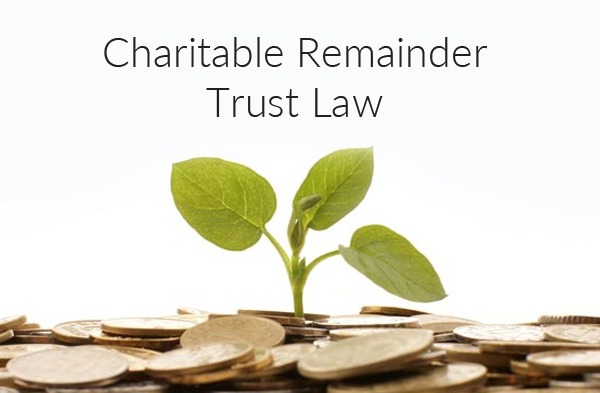 A charitable remainder trust has all the characteristics of any normal trust fund or deed. A trust is an agreement or contract wherein one party or a number of parties called the trustees agrees to take care of or protect a certain property or sum of money known as trust fund or property for the benefit and on behalf of a certain person or group of people called the beneficiaries. A trust deed is a written contract or agreement entered into by and between the trustees and the beneficiaries that outline all the rights, duties and obligations of the trust.
 If we spare even a fraction of the time we spent on earning all that money and building those assets, we would be able to ensure that it stays in the right hands even when we are not around to look after them. The federal law provides multiple legal options for you to choose form in order to facilitate a judicious planning of your property and assets. We are here to help you understand the various legal rights of a valid US citizen in managing his property and estate while he/she is alive and also post his/her demise.
 If you are residing in Volusia County or New Smyrna Beach or Port Orange or Daytona area or anywhere in the surrounding areas, chances are you are in need of a trust lawyer. There are a number of registered law firms in these areas. You will come across a law firm or an attorney who will be of help to you. Many people require trust lawyers while making an estate plan.
 There are several circumstances, wherein an individual is unable to manage his property or finance related matters for a specific length of time, owing to a prolonged overseas trip or a major health condition that renders him physical incapable of doing so. A power of attorney is just the type of legal provision that helps you to delegate the responsibility of your property and finance management in the event of your prolonged absence.